Featured


Understanding Your Debt Settlement vs. Debt Management Plan: What’s Safer for Your Credit? Options and Eligibility Can Be Fun For Anyone
Table of Contents
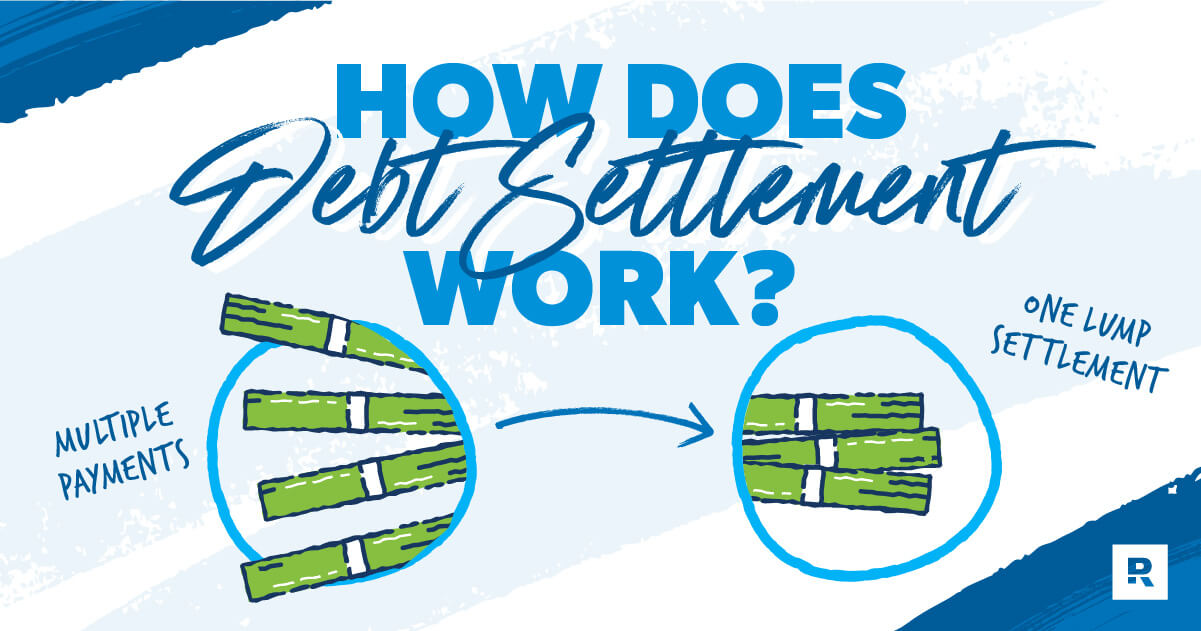
That frees up money in the short term, and you might have three to four years to save towards the settlement amount. Extremely harmful to credit history, primarily as a result of missed repayments and an unfavorable "worked out" mark that might remain on your credit score record for approximately 7 yearsMay be only choice if other options (financial obligation loan consolidation, equilibrium transfer debt cards, financial debt mercy) aren't possibleTypically requires a cost to the third celebration, which might balance out some or all of the savings from financial debt settlementMay aid you prevent personal bankruptcy if you have actually missed out on numerous paymentsNot all financial institutions collaborate with debt negotiation companies Financial debt mercy may be best for you if you are experiencing an economic difficulty that makes it virtually impossible to pay down your financial obligation equilibriums.
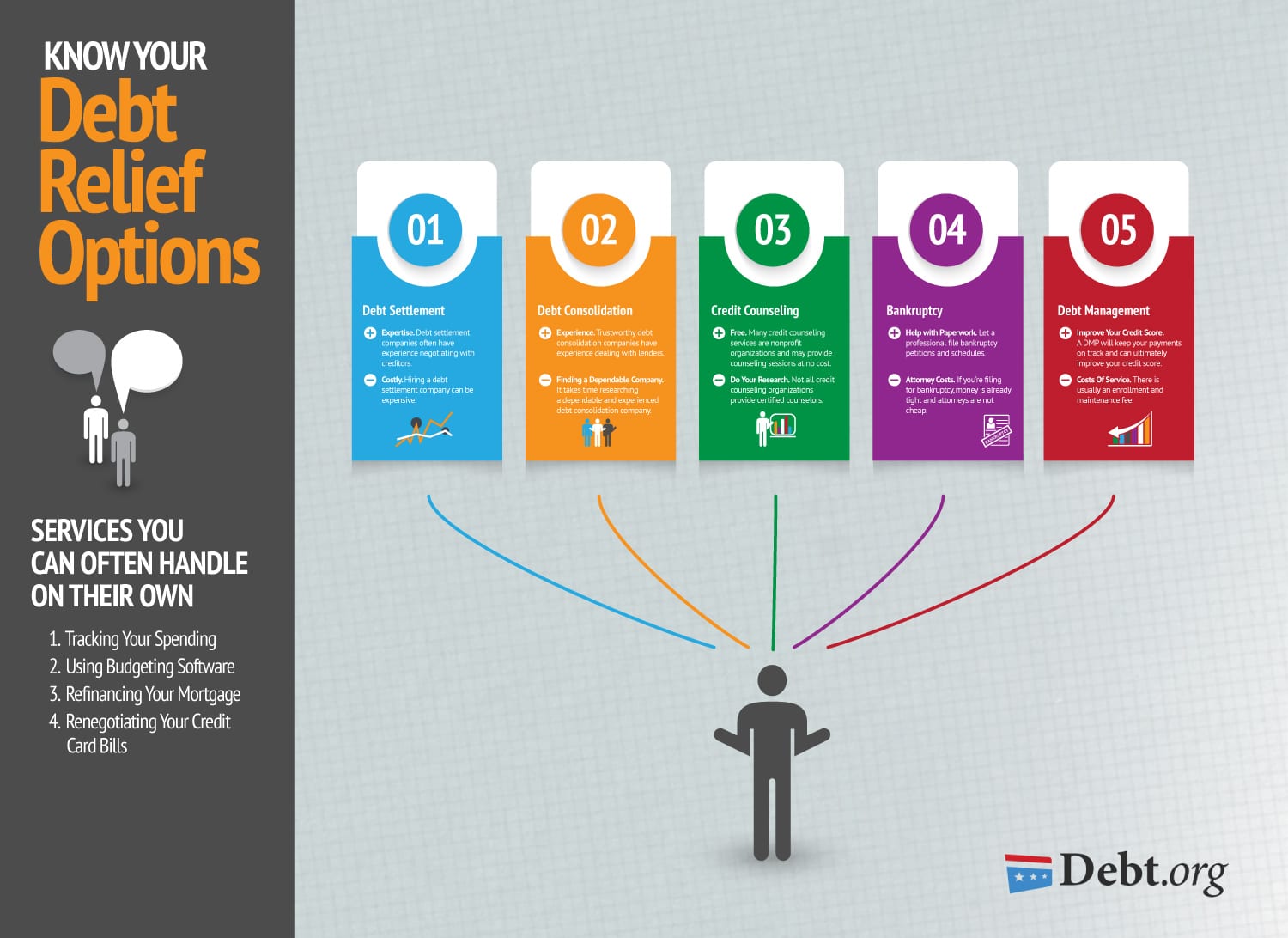
With a DMP, you make one monthly repayment to the credit scores therapy firm. Those funds are then dispersed to creditors of your unprotected financial obligations, such as bank card and installment lendings. The company functions with your lenders to lower rate of interest or waive costs, however some lenders might refuse such giving ins.
A debt combination loan combines your qualified debts into one brand-new loan. It can aid you pay down financial obligation if you're able to secure a funding rate that's less than the typical price of the accounts you're combining. You need to refrain from racking up financial obligation on those newly removed accounts or your financial debt can expand also higher.
That offers you lots of time to eliminate or considerably decrease your equilibrium while making interest-free repayments.
Some Known Details About Monetary Consequences the Investment of Debt Forgiveness Programs
You may require it if your lender or a debt collection agency ever attempts to gather on the financial debt in the future. The letter might verify you don't owe what the debt collection agency's documents show. Yes, for the most part, the internal revenue service considers forgiven financial debt as taxed revenue. When a lending institution forgives $600 or more, they are called for to send you Kind 1099-C.
Financial debt forgiveness or negotiation often injures your credit. Anytime you work out a financial obligation for much less than you owe, it might show up as "cleared up" on your debt report and impact your credit history for 7 years from the date of settlement. Your credit history can likewise drop substantially in the months bring about the mercy if you fall behind on repayments.
Not known Details About Understanding Your Legal Options Concerning Debt Settlement vs. Debt Management Plan: What’s Safer for Your Credit?
Tax obligation debt concession programs Tax financial obligation takes place when the amount of taxes you owe exceeds what you have paid. This scenario frequently arises from underreporting revenue, not submitting returns on schedule, or disparities discovered during an IRS audit. The repercussions of accumulating tax obligation financial debt are significant and can consist of tax liens, which provide the IRS a lawful case to your residential or commercial property as safety and security for the financial obligation.
Earnings and Bank Accounts Internal revenue service can levy (confiscate) wages and bank accounts to please the debt. Residential or commercial property Seizure In severe situations, the Internal revenue service can confiscate and market home to cover the financial obligation.
Social Preconception Encountering lawful action from the Internal revenue service can bring social stigma. Work Opportunities An inadequate credit score due to tax debt can limit employment possibilities. Government Benefits Tax obligation financial obligation might influence qualification for government advantages, such as Social Safety and Medicaid.
Excitement About Starting Meeting and What to Ask
The OIC considers a number of variables, consisting of the taxpayer's earnings, expenses, possession equity, and capability to pay. Efficiently bargaining an OIC can be complex, requiring an extensive understanding of the internal revenue service's standards and a solid debate for why your offer aligns with your ability to pay. It is very important to keep in mind that not all applications are accepted, and the procedure requires detailed monetary disclosure.
The internal revenue service examines your overall economic situation, including your income, costs, asset equity, and capacity to pay. You have to also be existing with all declaring and repayment requirements and not be in an open personal bankruptcy case. The internal revenue service additionally considers your compliance history, examining whether you have a document of timely declaring and paying taxes in previous years.
Some Known Details About What Sets Top Providers Apart in the Industry
The application process for a Deal in Concession entails several thorough actions. You need to finish and submit IRS Type 656, the Offer in Concession application, and Type 433-A (OIC), a collection information statement for people. These types need thorough monetary details, including information concerning your earnings, debts, expenditures, and properties.
Back taxes, which are unpaid tax obligations from previous years, can substantially increase your total internal revenue service financial obligation if not resolved promptly. This financial obligation can accrue passion and late settlement penalties, making the initial amount owed much larger over time. Failure to pay back taxes can result in the IRS taking enforcement activities, such as issuing a tax obligation lien or levy versus your residential property.
It is necessary to resolve back taxes asap, either by paying the total owed or by setting up a layaway plan with the IRS. By taking positive steps, you can avoid the accumulation of added rate of interest and penalties, and prevent a lot more hostile collection activities by the internal revenue service.
One common factor is the idea that the taxpayer can pay the full amount either as a lump amount or through a layaway plan. The IRS likewise thinks about the taxpayer's income, costs, property equity, and future earning capacity. If these aspects indicate that the taxpayer can pay for to pay greater than the supplied quantity, the IRS is most likely to deny the offer.
10 Easy Facts About Regulatory Aspects in Debt Settlement vs. Debt Management Plan: What’s Safer for Your Credit? Explained
It is vital to supply accurate and total details in your application and to seek advice from a tax expert to enhance the chances of approval. Taking care of internal revenue service financial obligation can be complicated and difficult. Tax obligation experts, such as CPAs, tax obligation lawyers, or signed up agents, can give vital aid. They have the competence to navigate the details of tax law and IRS treatments.

Table of Contents
Latest Posts

Some Ideas on Steps for Take Action Today You Need To Know
Fascination About The Role of Expert Debt Counseling
6 Easy Facts About Immediate Effects on Personal Credit History Explained
More
Latest Posts
Some Ideas on Steps for Take Action Today You Need To Know
Fascination About The Role of Expert Debt Counseling
6 Easy Facts About Immediate Effects on Personal Credit History Explained